Wesleyanism
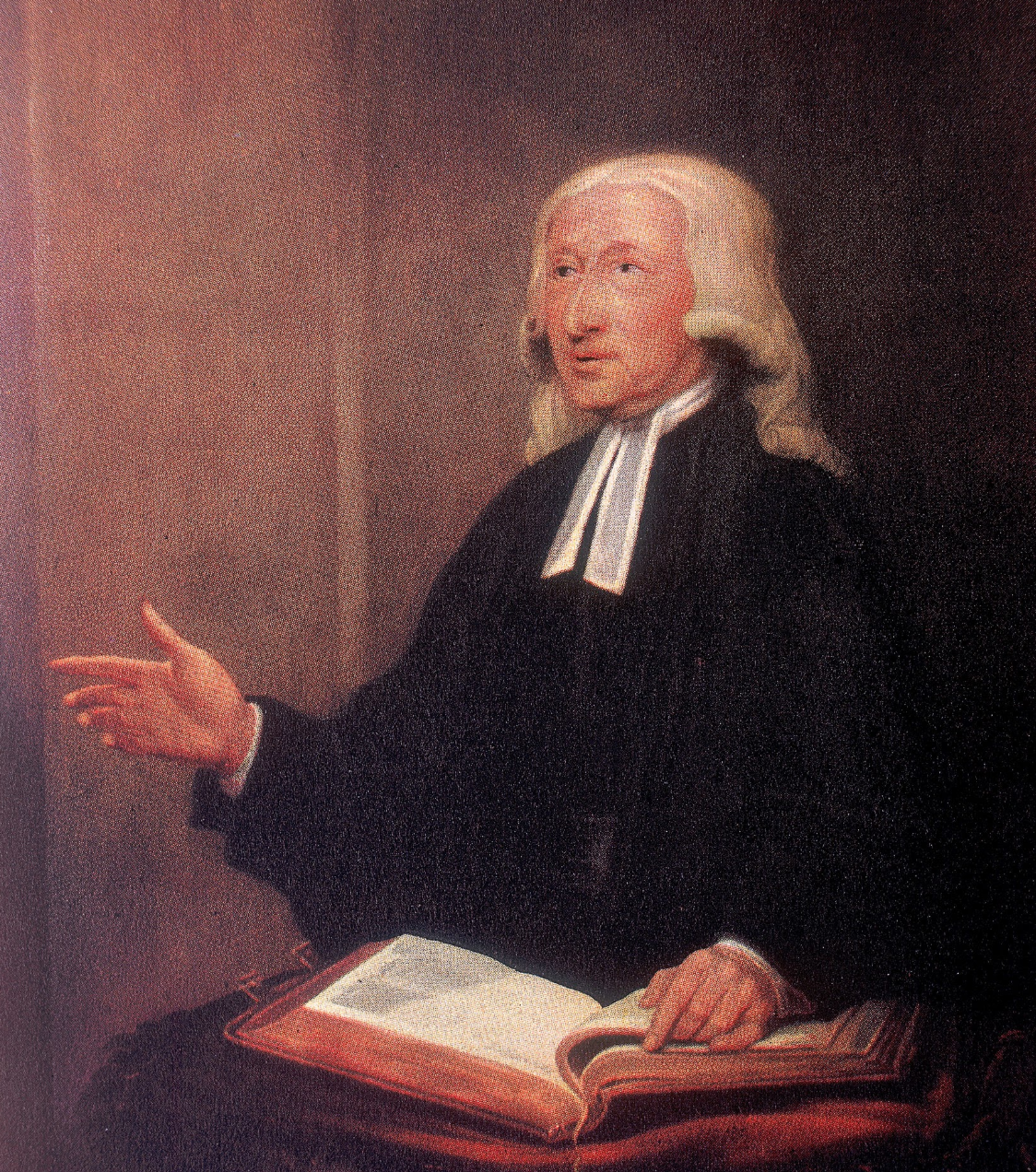
Wesleyanism (or Wesleyan Theology) is a Protestant theological tradition based on the teachings of the 18th-century English cleric and theologian John Wesley, along with his brother Charles Wesley. What began as a revival movement within the Church of England ultimately gave rise to the global Methodist and Holiness denominations, including the United Methodist Church, the Church of the Nazarene, and the Salvation Army.
At its core, Wesleyanism emphasizes that God's grace is available to absolutely everyone and that faith must be lived out practically in the world.
1. Free Will Over Predestination (Arminianism)
Unlike Calvinism, which teaches that God predestines certain people to be saved and others to be damned, Wesleyanism is deeply rooted in Arminianism.
Wesley taught that:
-
Universal Atonement: Christ died for all people, not just an elect few.
-
Free Will: Humans have the free will to accept or reject God's offer of salvation. God pursues humans, but He does not force them to believe.
-
Conditional Salvation: Because free will exists, a believer can willfully turn away from God and forfeit their salvation (often called "falling from grace").
2. The "Way of Salvation" (The Three Graces)
The heart of Wesleyan theology is its distinct understanding of grace. Wesley viewed grace not as a one-time event, but as a lifelong, transformative journey broken down into three stages:
| Type of Grace | What it Means | When it Happens |
|---|---|---|
| Prevenient Grace | "Grace that comes before." It is God actively pursuing every human before they even know Him, restoring enough of their free will to choose to accept salvation. | Before conversion |
| Justifying Grace | The grace of forgiveness. When a person repents and accepts Christ, their sins are wiped clean, and they are reconciled with God. | The moment of conversion (New Birth) |
| Sanctifying Grace | The ongoing process of spiritual growth. The Holy Spirit actively works in the believer to make them holy and more like Christ over time. | The rest of the believer's life |
3. Christian Perfection (Entire Sanctification)
One of the most unique and debated doctrines in Wesleyanism is the concept of Christian Perfection. Wesley did not mean flawless humanity, immunity to mistakes, or freedom from temptation.
Instead, he meant perfection in love. Wesleyans believe that by the power of the Holy Spirit, a believer can reach a state in this lifetime where their heart is entirely devoted to God and their neighbour. In this state of "entire sanctification," the believer is freed from intentional, willful rebellion against God.
4. The Wesleyan Quadrilateral
To determine theological truth and interpret the Bible, Wesleyans use a four-part methodology, later coined the "Wesleyan Quadrilateral."
-
Scripture: The primary and ultimate authority for all faith and practice.
-
Tradition: The historical wisdom and teachings of the early Church fathers and historical Christianity.
-
Reason: Using human intellect and logic to draw conclusions and understand God's revelation.
-
Experience: The personal, internal conviction of the Holy Spirit in a believer's life.
5. Social Holiness (Practical Divinity)
John Wesley famously stated, "There is no holiness but social holiness."
For Wesleyans, faith cannot be purely private or internalized. A true relationship with God inevitably results in a love for others. This is why the Methodist movement has historically been at the forefront of social justice issues, establishing hospitals, schools, orphanages, and food pantries, and advocating for prison reform and the abolition of slavery. Faith must be put to work through acts of mercy and compassion.
Also see: